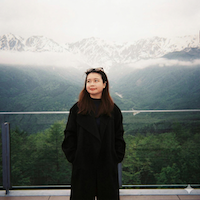
Japan’s major cities are undeniably thrilling, but the sheer density and sensory demand can eventually weigh on a traveler. When you need to trade the concrete canyons of Tokyo or the packed temple paths of Kyoto for actual granite peaks, the Northern Japan Alps offer a necessary exhale.
Here at HokuList Japan—your Kanazawa-based, licensed inbound travel agency—we constantly field questions from visitors trying to balance rich cultural stops in Hokuriku and Gifu with genuine wilderness access. The most common question we hear is: “Do I have enough time for the mountains?”
Is a half-day trip to Kamikochi worth it? Absolutely. While seasoned mountaineers spend weeks traversing these ridges, a well-planned 3 to 4-hour visit grants you front-row access to Japan’s most dramatic glacial valley.
How long does it take? Getting there requires a bus ride of roughly 1.5 hours from Takayama or Matsumoto, making a 4-hour morning hike perfectly feasible before moving on to your next destination. The flat, impeccably maintained trails along the Azusa River mean you can experience the shadow of 3,000-meter peaks without needing a heavy pack or specialized gear.
Here is why dedicating a single morning or afternoon to Kamikochi will likely become the visual anchor of your entire Japan trip.
The Approach: Leaving the Ordinary Behind

Kamikochi actively protects its environment; private cars are strictly banned. Your journey shifts from a standard commute to a true alpine approach the moment you board the local shuttle bus.
As the bus winds its way up the steep mountain passes and eventually grinds through the long, dark incline of the Kama Tunnel, the anticipation builds. When you finally emerge at the valley floor, the transition is absolute. You step off the bus, and the crisp, thin air hits your lungs—carrying the sharp, clean scent of damp earth and alpine timber.
The Hub: Crossing Kappabashi
 +
+
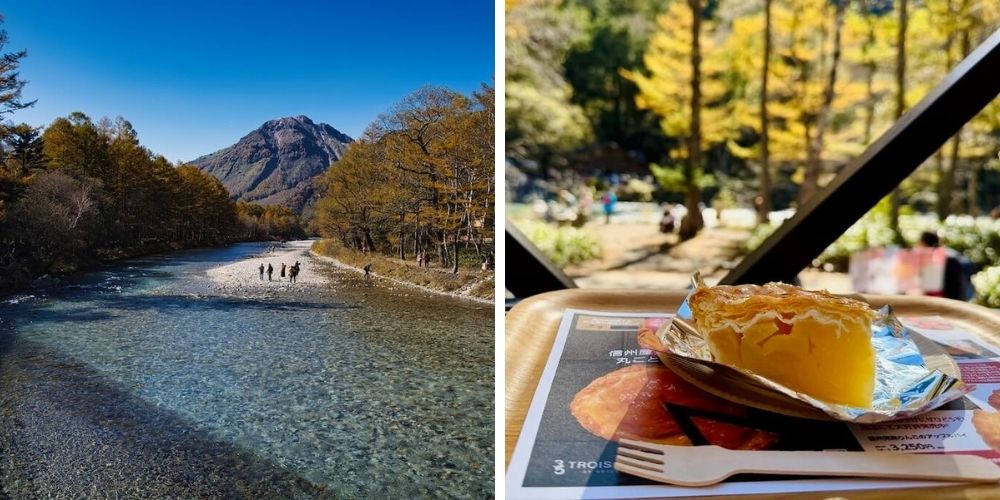
Midway through your walk, the trees part to reveal Kappabashi, the iconic wooden suspension bridge at the heart of Kamikochi. This is the busiest section of the valley, and for good reason. From the center of the wooden planks, you are granted a perfectly framed view of the mountains.
Personally, I never cross Kappabashi without making a beeline for the nearby lodges to grab a slice of their famous Shinshu apple pie. Kamikochi’s apple pie has reached legendary status among regular visitors, and for good reason—think thick-cut, tart Nagano apples baked into a crisp, buttery crust. Grabbing a hot drip coffee as a side is the perfect way to warm your hands while enjoying the bustling, communal energy of hikers, photographers, and casual strollers converging in the shadow of the peaks, but apple pie is definitely a must-try!
Walking the Azusa River: A Masterclass in Autumn Gold
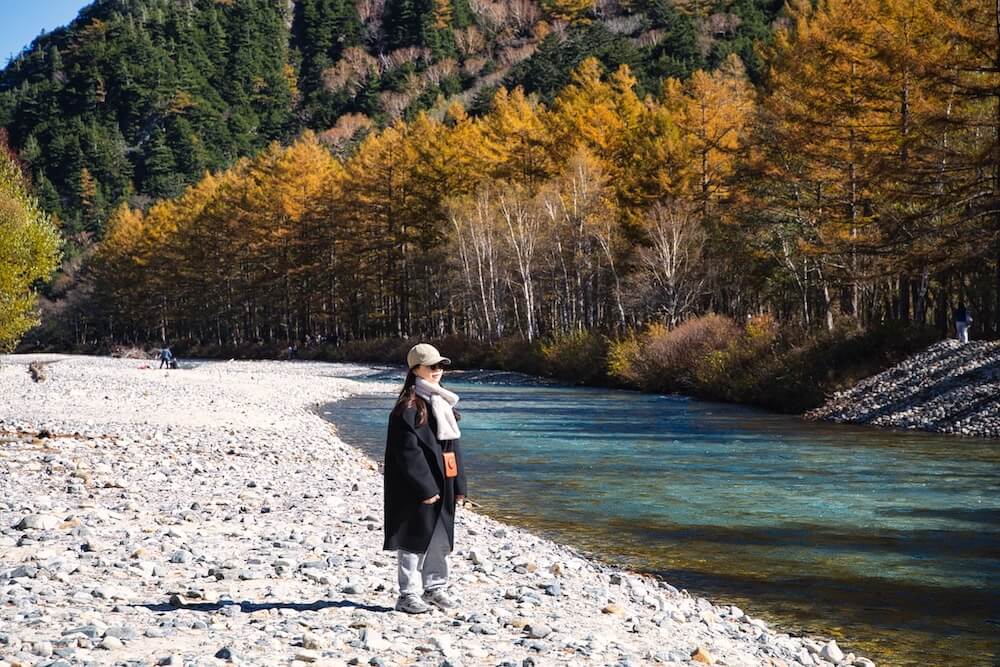
The classic half-day route begins by simply following the Azusa River. If you time your visit for late October to early November, you are rewarded with the spectacular turning of the karamatsu (Japanese larch). These deciduous conifers line the valley floor, turning a brilliant, searing gold that contrasts violently with the deep evergreens on the slopes above.
Walking along the wide banks, the crunch of smooth white river stones underfoot is accompanied by the steady, rushing hum of the current. The water of the Azusa River is a revelation. Fed by glacial melt, it runs so clear that it acts as a magnifying glass to the rocky riverbed, gathering into deep channels that flash aquamarine and sapphire under the high-altitude sun.
The Final Panorama: Finding Your Quiet Corner
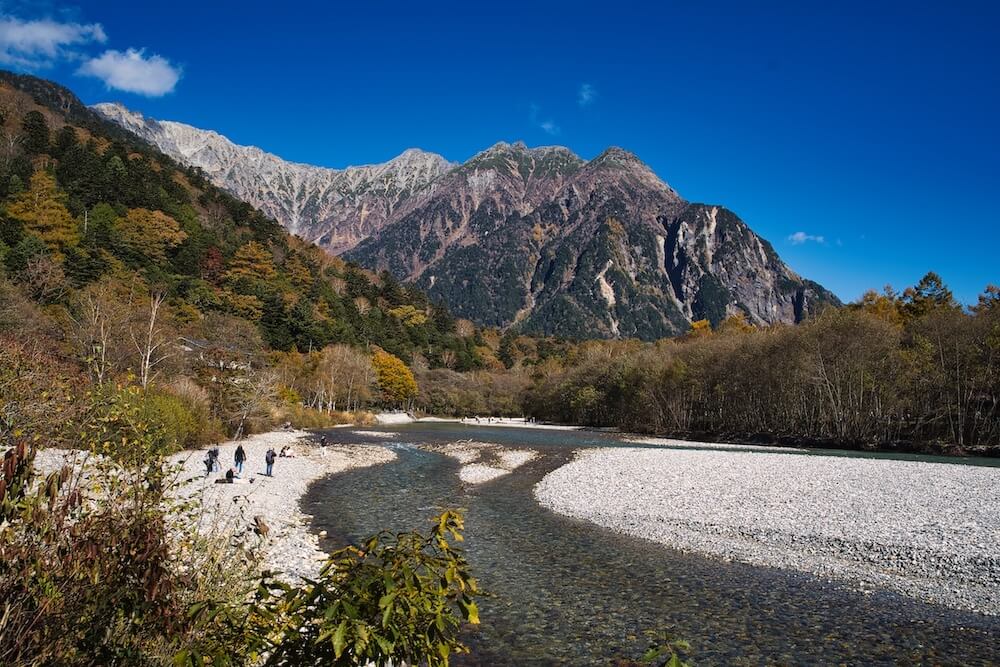
While Kappabashi is the famous photo spot, the true reward of your half-day trip lies just a few minutes further along the trail. As you step away from the bridge and down onto the wide, sweeping riverbanks of white stone, the crowds naturally disperse. This is your final stop before the journey home.
Finding a quiet spot to sit on the rocks, you can watch the Azusa River carve its elegant, “S”-shaped curve through the valley floor. The water leads your eye directly up to the imposing, jagged wall of the Hotaka Mountain Range, which seems to lean right over the valley. There is no rush here. Sitting quietly by the glacial water, feeling the chill of the late-autumn wind, the immense scale of the Northern Japan Alps finally sets in.
Kamikochi Half-Day Logistics
To make the most of a short visit, precision is key. Because private vehicles are banned to protect the environment, planning your transit in advance is essential.
How to Get There:
- From Matsumoto (Nagano side): If driving, park at the Sawando Parking Area and take the 30-minute shuttle bus or a shared taxi into the park. By public transit, take the Alpico railway from Matsumoto Station to Shin-Shimashima Station, then transfer to the Kamikochi bus (approx. 1.5 hours total).
-
From Takayama (Gifu side): If driving, park at the Hirayu Onsen Parking Area and take the 25-minute shuttle bus. Direct Nohi buses from Takayama Station are also available and take about 1.5 hours.
Insider Tips from HokuList Japan
-
Layering is Mandatory: Mountain weather shifts quickly. For spring and autumn visits, a heavy coat and scarf are essential. In summer, Kamikochi’s 1,500-meter elevation means intense midday sun followed by a sharp chill the moment the sun dips behind the peaks. Always pack a light fleece or windbreaker, and bring a hat for the UV rays.
-
Start at Taisho Pond: Don’t take the bus all the way to the Kappabashi terminal. Get off a few stops early at Taisho Pond and walk the flat, beginner-friendly nature trails inbound (about 1 hour) to watch the peaks slowly reveal themselves.
A half-day in Kamikochi is not a compromise; it is an incredibly efficient way to inject raw, unspoiled natural beauty into your itinerary. By the time you board the bus back to the city, the lingering scent of pine and the image of that towering, granite skyline will travel with you.