Quick Answer: Should I visit Shirakawa-go or Gokayama? If you want the iconic, grand-scale postcard view and require extensive facilities like cafes and museums, choose Shirakawa-go. However, if you prefer a peaceful, intimate experience with fewer crowds and a truly authentic atmosphere, Gokayama (specifically the villages of Ainokura and Suganuma) is the better choice. Both are accessible from Kanazawa and Takaoka via the Kaetsuno World Heritage Bus, taking roughly 60 to 90 minutes depending on your departure point.
Beyond the Postcard: Choosing Your Gassho-Zukuri Experience
If you are reading this, you are likely feeling the fatigue of Japan’s “Golden Route.” The crowds in Kyoto are dense, and the pace of Tokyo can be overwhelming. You are looking toward Central Japan for a breath of crisp mountain air and a slower rhythm.
For decades, the thatched-roof gassho-zukuri (praying hands) farmhouses of the Sho River valley have represented a timeless image of rural Japanese life. But there is a distinct difference between observing heritage and experiencing it. As a licensed inbound travel agency based right here in Kanazawa, the HokuList Japan team spends our weekends navigating these mountain roads. We know the scent of burning cedar from a sunken irori hearth and the dense, satisfying texture of local Gokayama tofu.
This guide strips away the marketing gloss to help you choose between the two major UNESCO farmhouse regions for your 2026 itinerary, ensuring your time in the Hokuriku region is spent exactly how you envision it.
Shirakawa-go: The Grandeur of Ogimachi
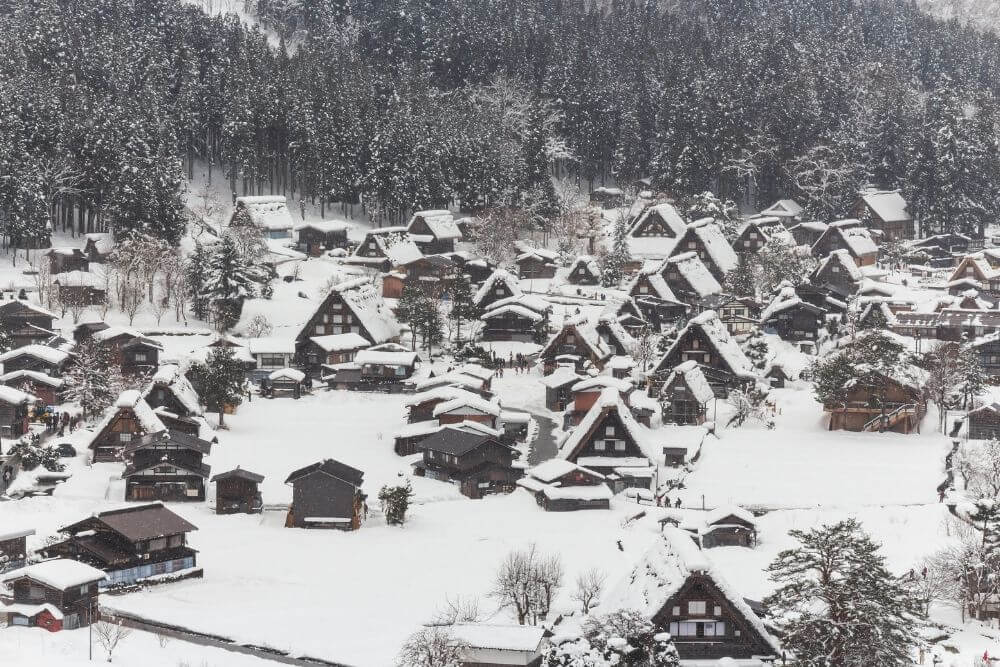
Shirakawa-go’s main village, Ogimachi, is the undisputed heavyweight of the region. With over 50 preserved farmhouses clustered in a wide valley, walking its paths feels like navigating a meticulously curated open-air museum. The sheer scale is commanding.
Because of its fame, Ogimachi is heavily developed for tourism. You will find dedicated museums, English-speaking guides, a wide array of souvenir shops, and numerous restaurants serving Hida beef. The trade-off for this convenience is the crowd. By 10:00 AM, the central parking lot fills with tour buses from Nagoya and Takayama. Navigating the main street often means dodging selfie sticks, which can dilute the serene atmosphere that draws people to the Japanese countryside in the first place.
Gokayama: The Quiet Resilience of Ainokura and Suganuma
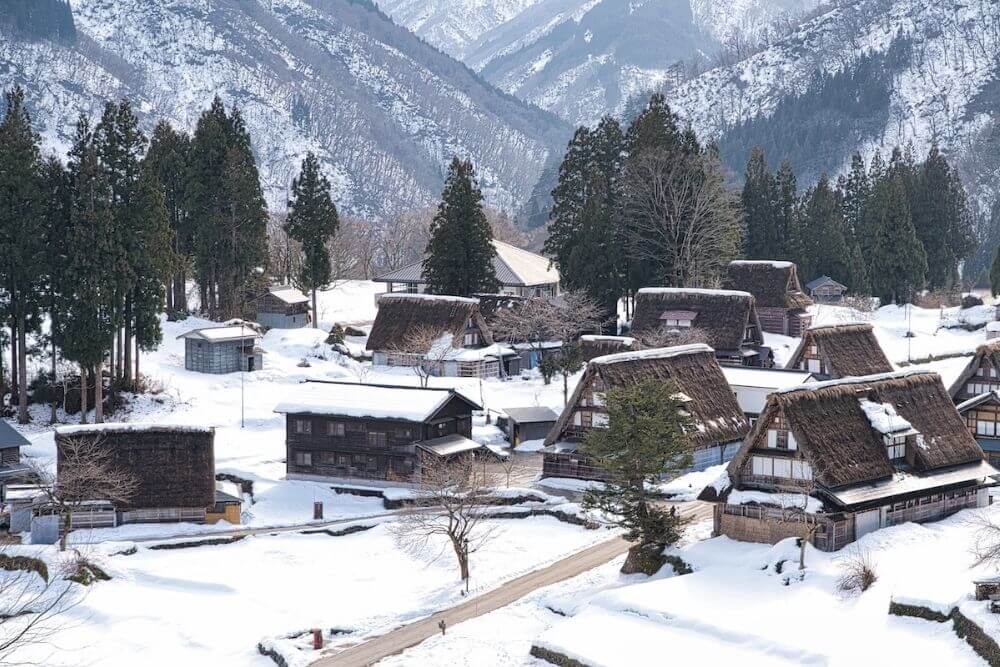
Just a 45-minute bus ride north into Toyama Prefecture lies Gokayama. This area is characterized by narrower valleys, steeper cliffs, and a palpable sense of isolation. Visitors focus on two specific villages: Ainokura and Suganuma.
Ainokura, terraced high above the river with about 20 farmhouses, is a living community. You will see residents tending to radish plots or hanging laundry out of sight from the main paths. Suganuma is even more compact, featuring just nine beautifully preserved homes tucked into a sharp bend of the Sho River.
In Gokayama, the soundtrack is not the hum of tour groups, but the rush of the river and the wind through the cedar forests. There are few shops and limited dining options, but what you lose in convenience, you gain in an unfiltered connection to Japan’s agrarian past.
Shirakawa-go vs. Gokayama: A Direct Comparison
To help you decide, here is how the two regions stack up based on our on-the-ground experience:
| Feature | Shirakawa-go (Ogimachi) | Gokayama (Ainokura/Suganuma) |
| Size & Scale | Largest (50+ farmhouses) | Smaller (Ainokura: ~20, Suganuma: 9) |
| Crowd Level | Very High (buses daily) | Low to Moderate (peaceful) |
| Accessibility | High (Direct highway buses) | Moderate (Requires World Heritage Bus) |
| Atmosphere | Bustling, highly commercialized | Intimate, quiet, living community |
| Facilities | Extensive (cafes, museums, shops) | Limited (few shops, traditional eateries) |
| Overnight Stay | Many minshuku (often booked out) | Fewer, but highly authentic minshuku |
Navigating the Region: 2026 Logistics and Passes
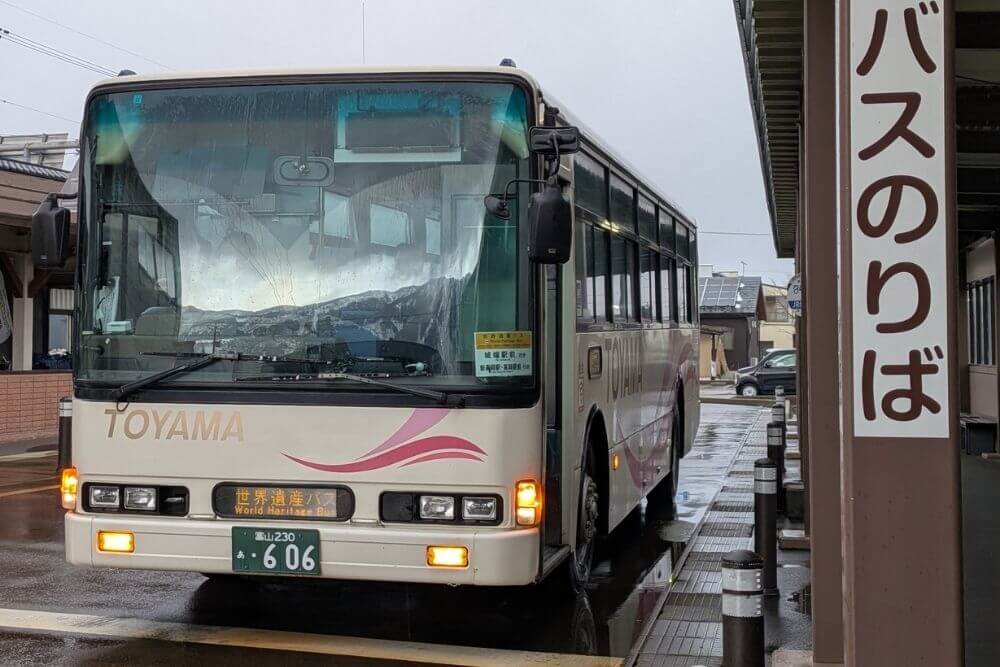
For 2026, the most efficient way to explore these villages from the Hokuriku side is via the World Heritage Bus (Kaetsuno Bus). This local bus operates between Takaoka Station and Shirakawa-go, winding directly through the Gokayama valleys.
Key Access Points:
-
Takaoka / Shin-Takaoka Stations: Easily reached via the Hokuriku Shinkansen (the Hakutaka or Tsurugi trains) from Tokyo, Nagano, or Kanazawa.
-
Johana Station: The end of the local Johana Line, offering a slightly closer starting point for the bus journey into the mountains.
Current Recommended Passes (2026):
-
Gokayama-Shirakawago Free Kippu (4,000 JPY): A 2-day pass offering round-trip travel between Takaoka/Johana and Shirakawa-go, with unlimited hop-on/hop-off privileges in Gokayama. Ideal for comprehensive exploration.
-
World Heritage 1-Day Free Kippu (2,800 JPY): Covers unlimited travel between Shirakawa-go and Ainokura for a single day. Perfect if you want to contrast the large and small villages in one trip.
-
One-Way Kippu (2,000 JPY): A flexible one-way ticket (Takaoka to Shirakawa-go, or vice versa) allowing stopovers at the Gokayama villages along the route.
(Note: Always check the official Kaetsuno Bus website for seasonal timetable adjustments before your trip.)
HokuList Insider Tips for a Deeper Experience
1. Savor the Local Texture
Skip the generic soft serve and seek out Gokayama tofu. Because of the harsh winters, locals press their tofu until it is dense enough to be tied with straw rope. Enjoy it lightly seared at a local eatery in Suganuma—it is a culinary reflection of the region’s resilience.
2. The Overnight Advantage
If your itinerary allows, book a night in a minshuku (family-run guesthouse) in Ainokura. Once the last World Heritage Bus departs at dusk, the village empties out entirely. Walking the lantern-lit paths in absolute silence is an experience day-trippers never get to see.
3. Combine Your Transportation
If you are traveling from Kanazawa to Takayama (or vice versa), do not just take the direct highway bus. Send your heavy luggage ahead via Yamato Transport, take the Shinkansen to Shin-Takaoka, and use the World Heritage Bus to traverse the valleys. It turns a simple transit day into the highlight of your trip.
Both regions offer a window into an older, quieter Japan. While Shirakawa-go commands attention with its scale, those willing to ride the bus just a little further will find that Gokayama offers the rare, uninterrupted peace that makes a journey to Central Japan truly worthwhile.

Comment